Welcome to a world of limitless possibilities, where the journey is as exhilarating as the destination, and where every moment is an opportunity to make your mark on the canvas of existence. The only limit is the extent of your imagination.
-

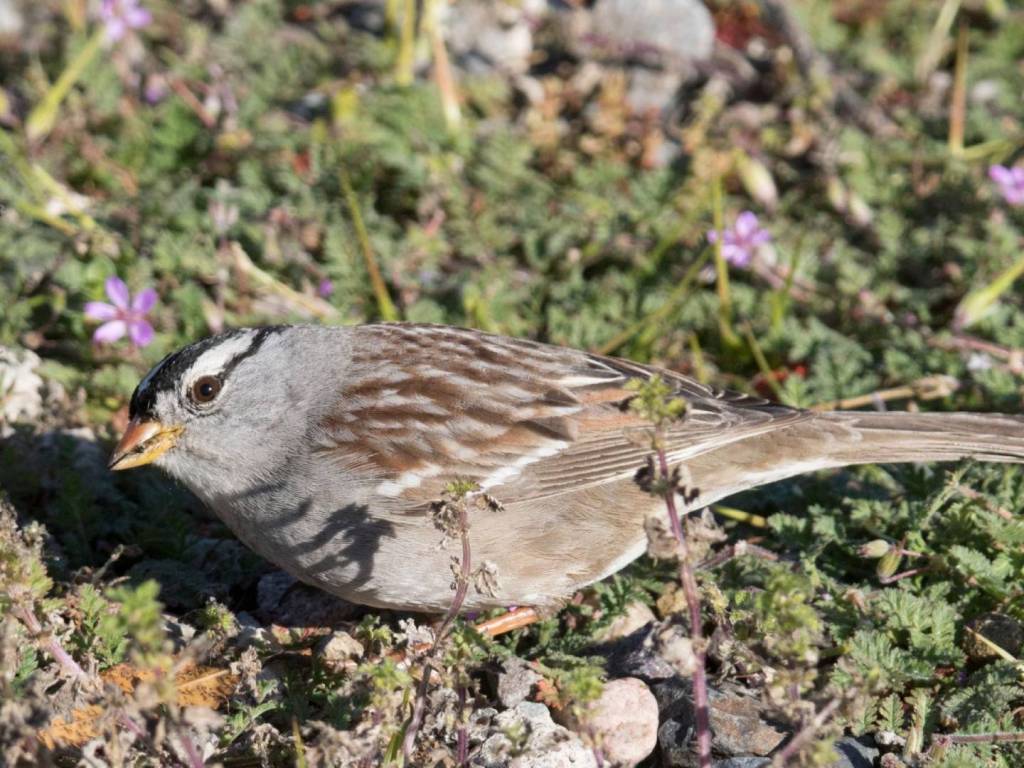
White-throated Sparrow: Song, Habitat, and Nesting Facts
The White-throated Sparrow, common in North America, is recognized by its clear song resembling “Oh sweet Canada Canada.” Males and females are similar in appearance, with behavioral distinctions aiding identification. They nest near the ground, favoring dense cover. This adaptable species serves as an excellent introduction to birdwatching for all enthusiasts.
-

Fall Bird Feeding Tips: How to Help Migrating Birds in Your Yard
As fall approaches, many birds migrate south, and backyard feeding can support both local and transient species. Providing high-energy foods like sunflower seeds and suet, along with clean water and safe feeding locations, can transform your yard into a vital stopover. Consistent feeding ensures birds utilize your yard effectively during migration.
-

How to Spot a Carolina Chickadee: Calls, Nesting, Range
The Carolina Chickadee, a small bird found in the southeastern U.S., is known for its distinctive calls and adaptability. Similar to the Black-capped Chickadee, they differ in size and vocalization. They thrive in various habitats, contribute to ecosystems through seed dispersal, and exhibit strong family bonds during nesting and chick-rearing.
-

Hairy Woodpecker ID Made Easy: Size, Sound, and Range
The Hairy Woodpecker, scientifically known as Picoides villosus, is a common North American bird distinguishable from the smaller Downy Woodpecker by its size, bill length, and male red head patch. It thrives in various habitats and plays a crucial ecological role. Birders can identify it by its calls and distinct drumming patterns.
-

The Secret Life of the American Woodcock: Calls, Habits, and the Sky Dance
The American Woodcock, known scientifically as Scolopax minor, inhabits the young forests and fields of eastern North America. Recognized for its unique courtship display and distinctive nasal “peent” call, the woodcock relies on specific habitats rich in earthworms for survival. Conservation efforts are crucial to protect its diminishing populations and habitats.
Subscribe
Enter your email below to receive updates.